
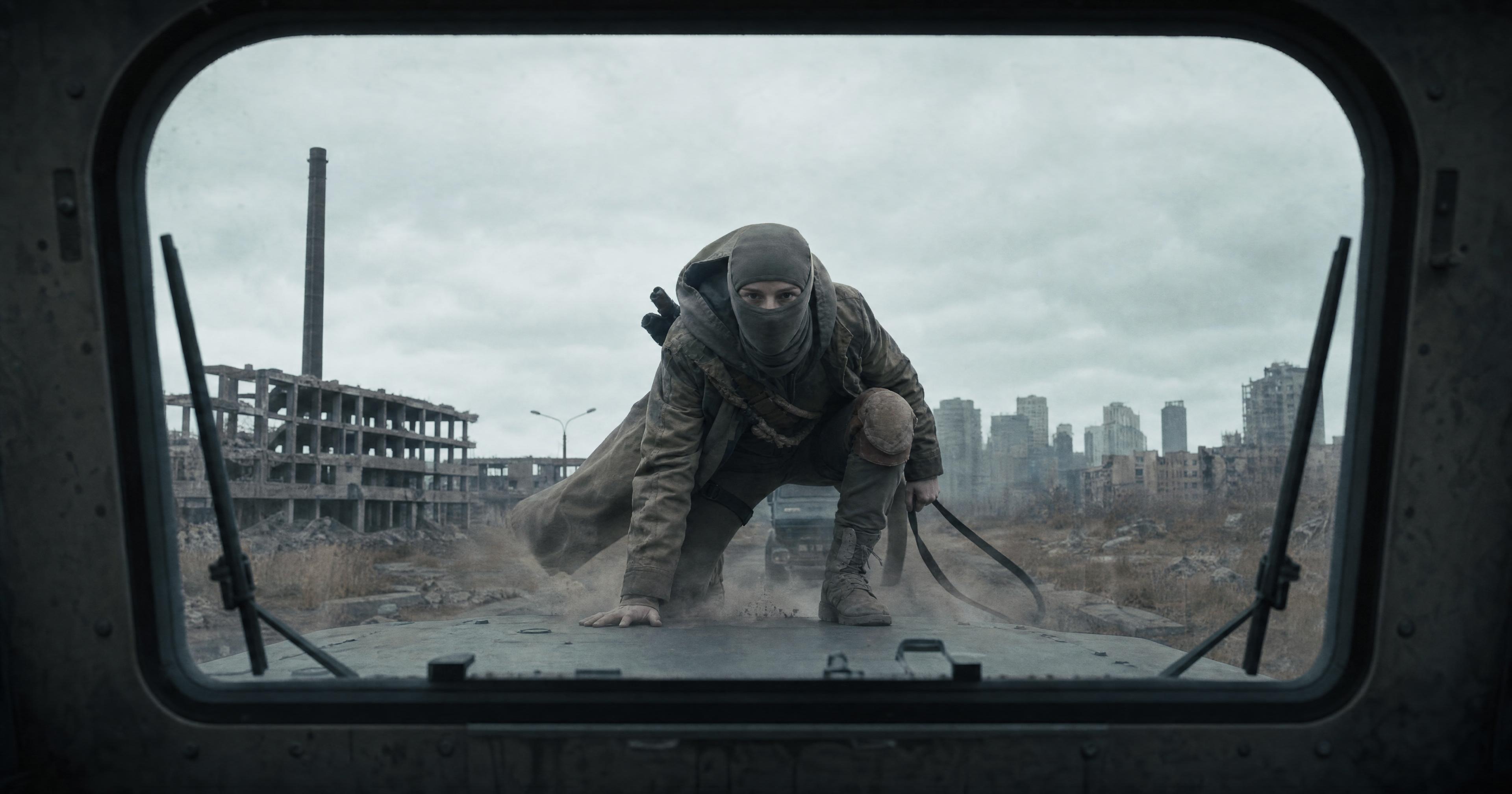
SUBDURA
In a city where blood is currency, a self-exiled survivalist must trust a dangerous thief to uncover her parents’ secret and overthrow the regime hunting her.
Project Brief
The Film
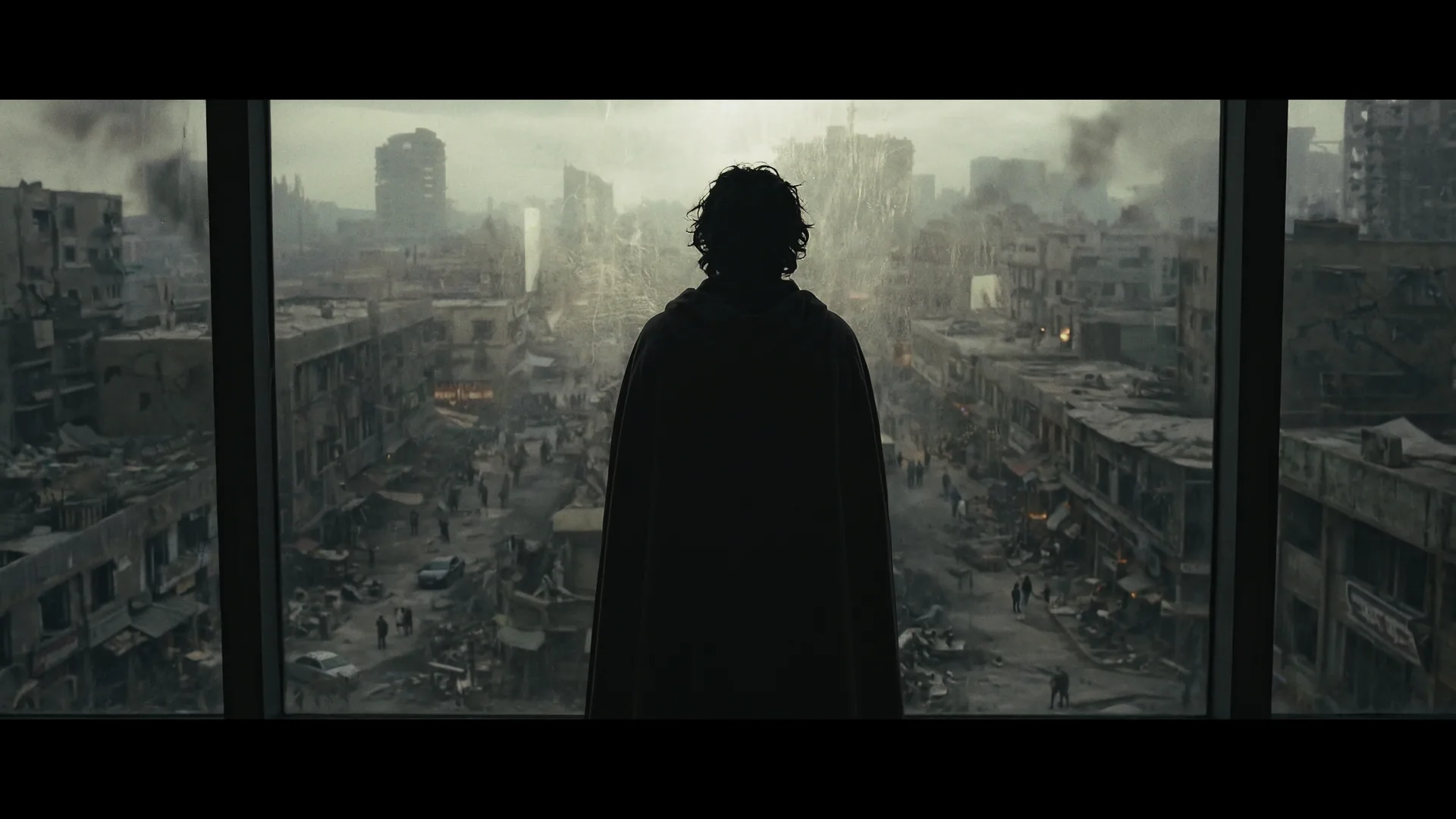
The film is built around a world of scarcity, control, and inherited resistance. Its genre frame is science fiction, but the emotional engine is human: trust, memory, survival, and the cost of reclaiming a life that was stolen.
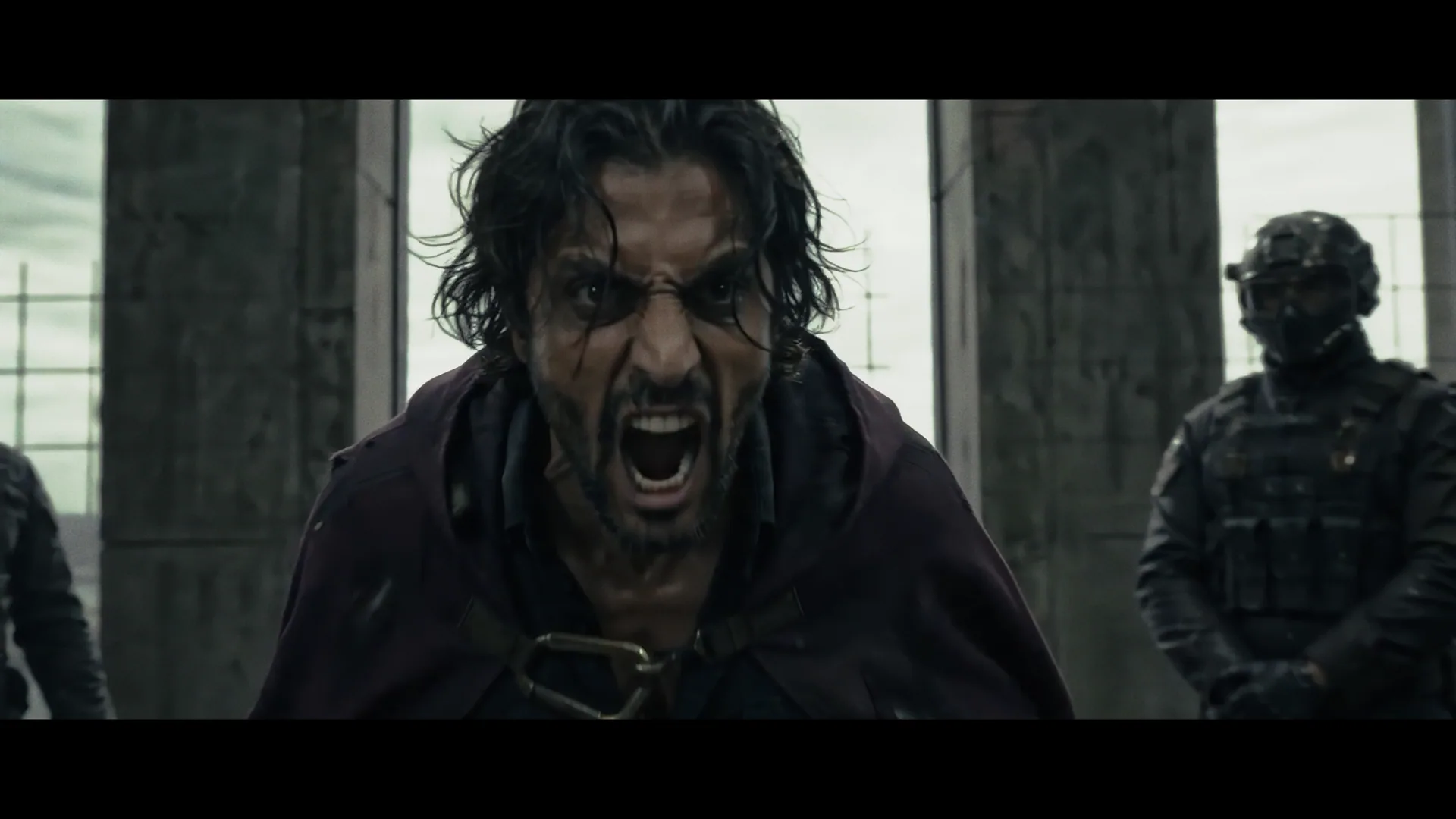
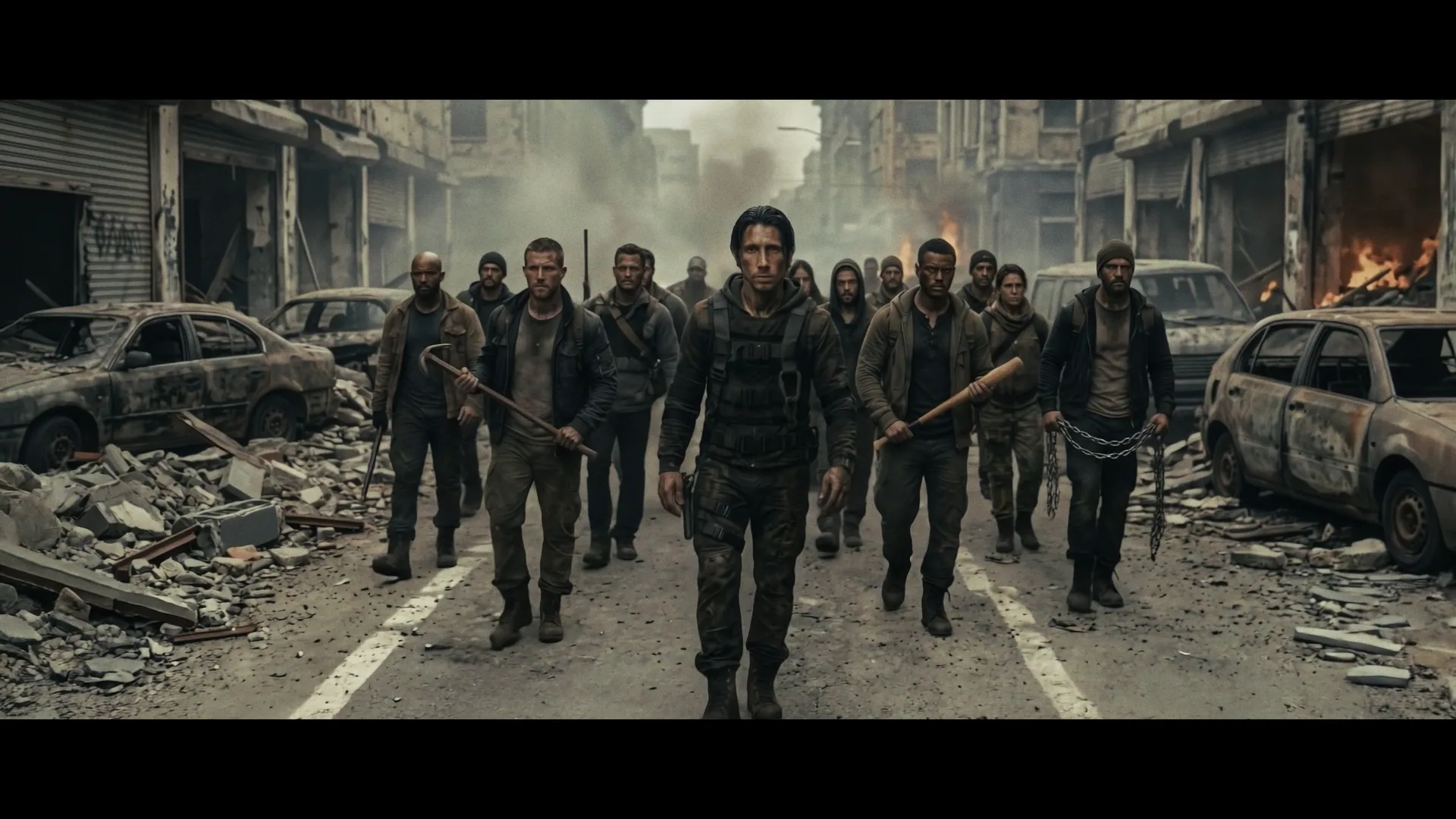
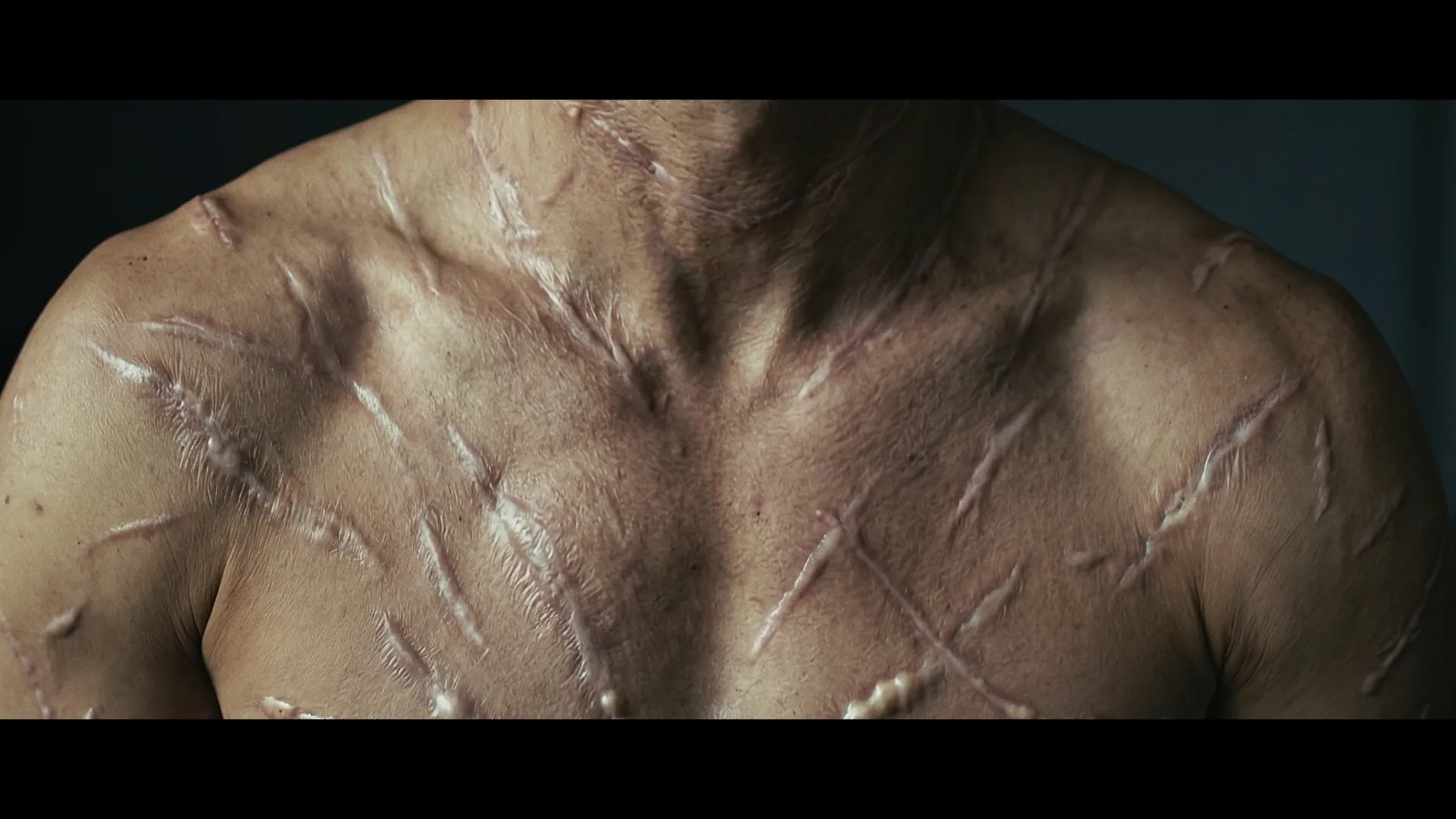
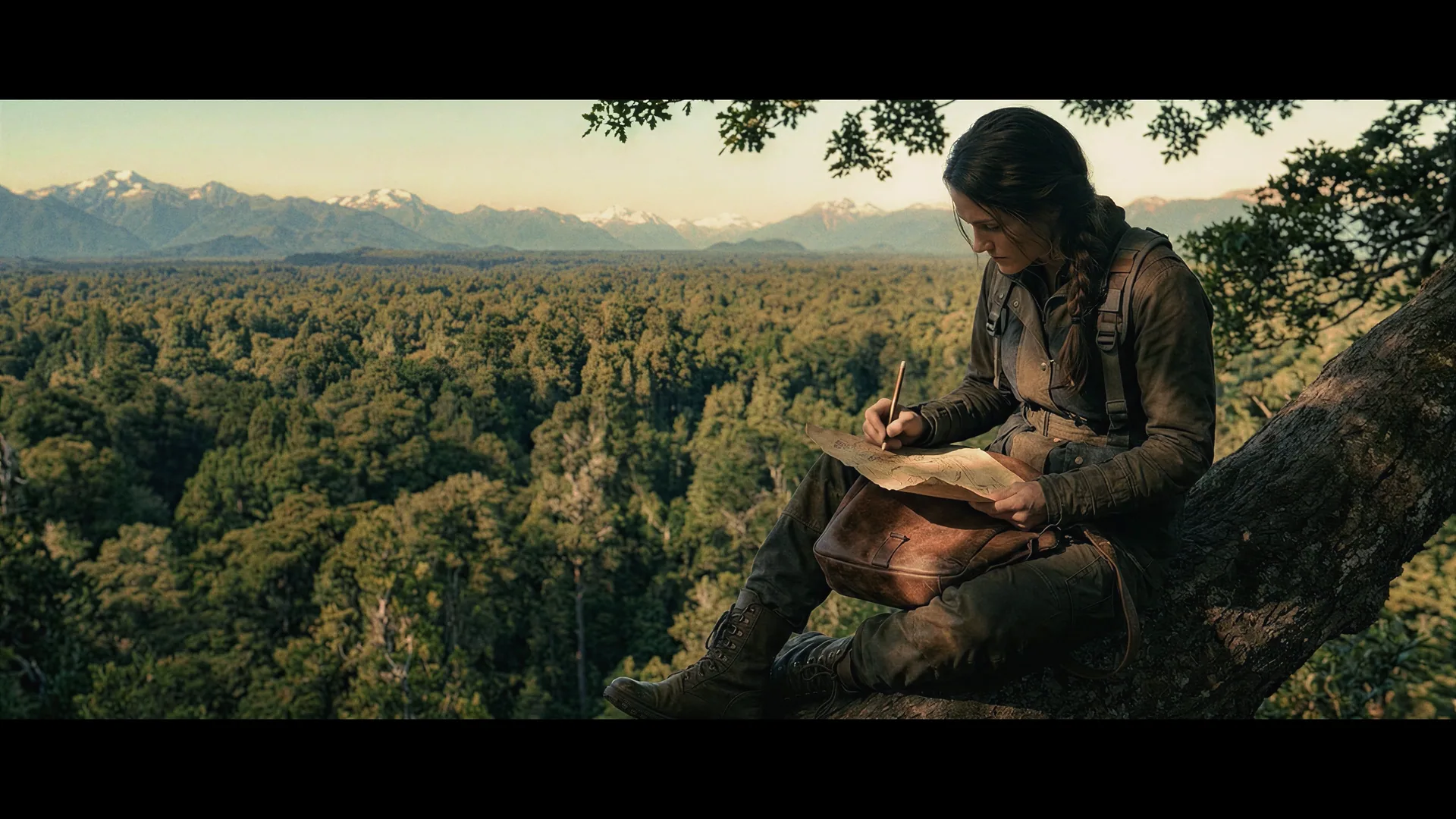
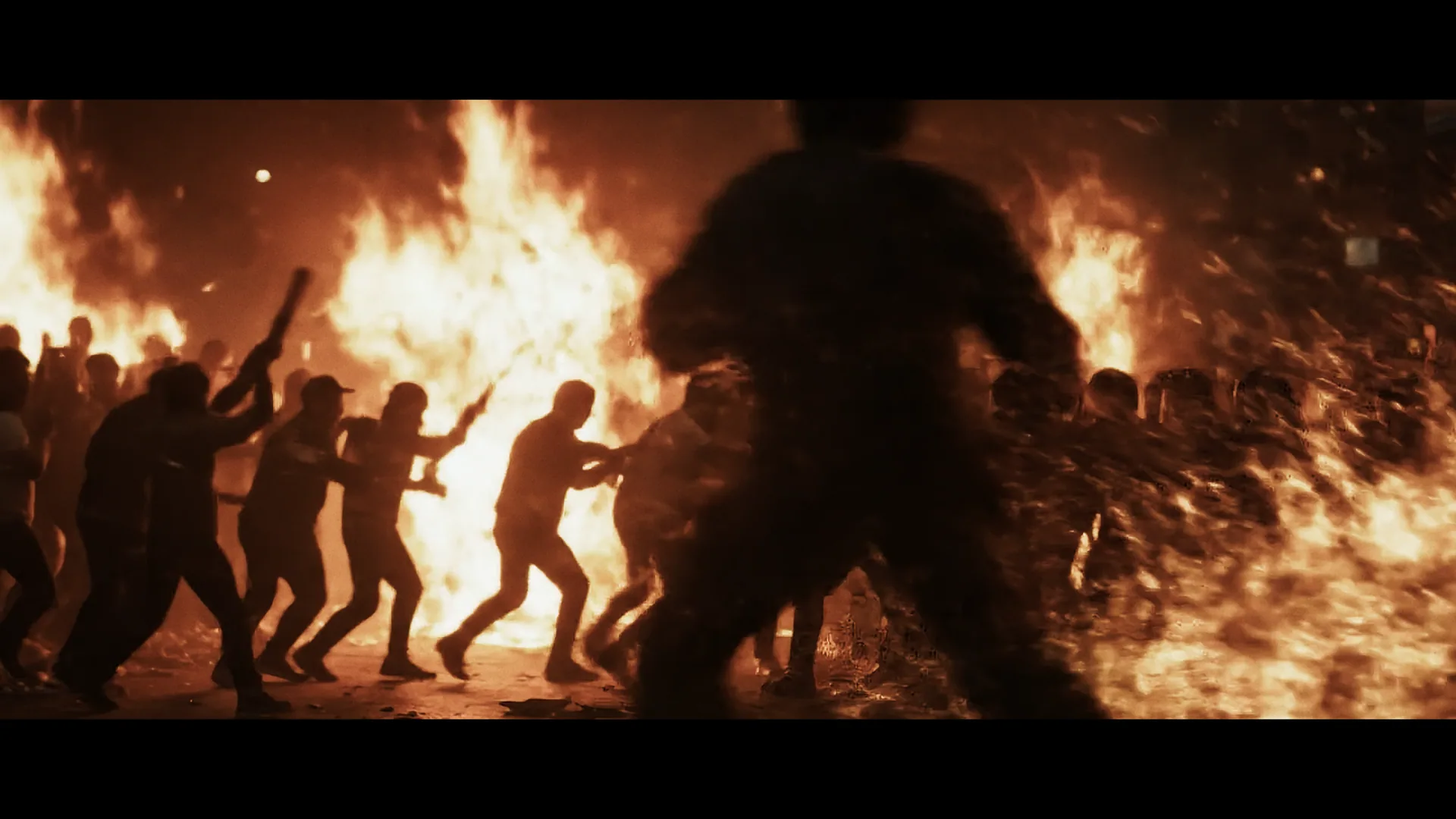
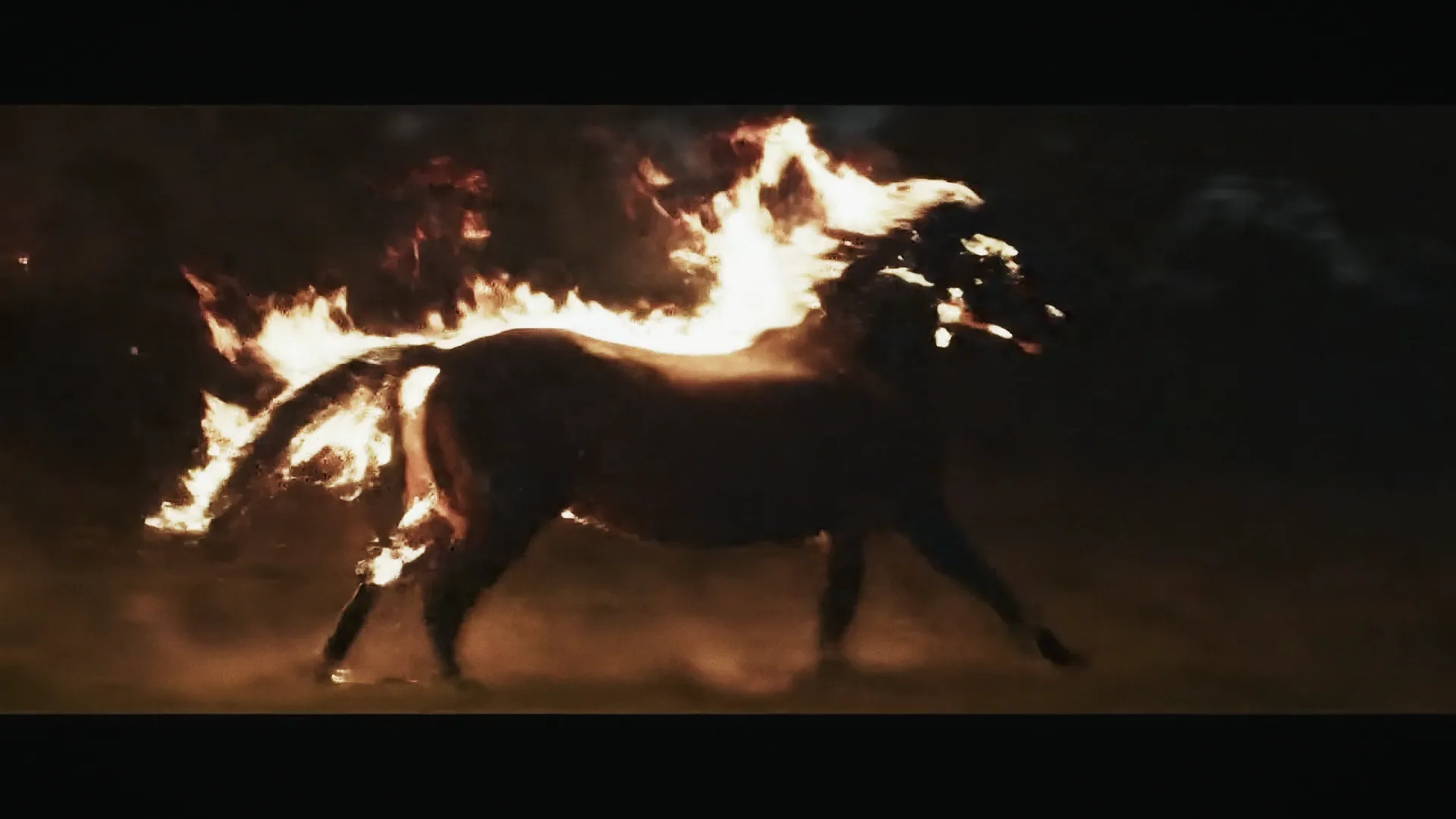
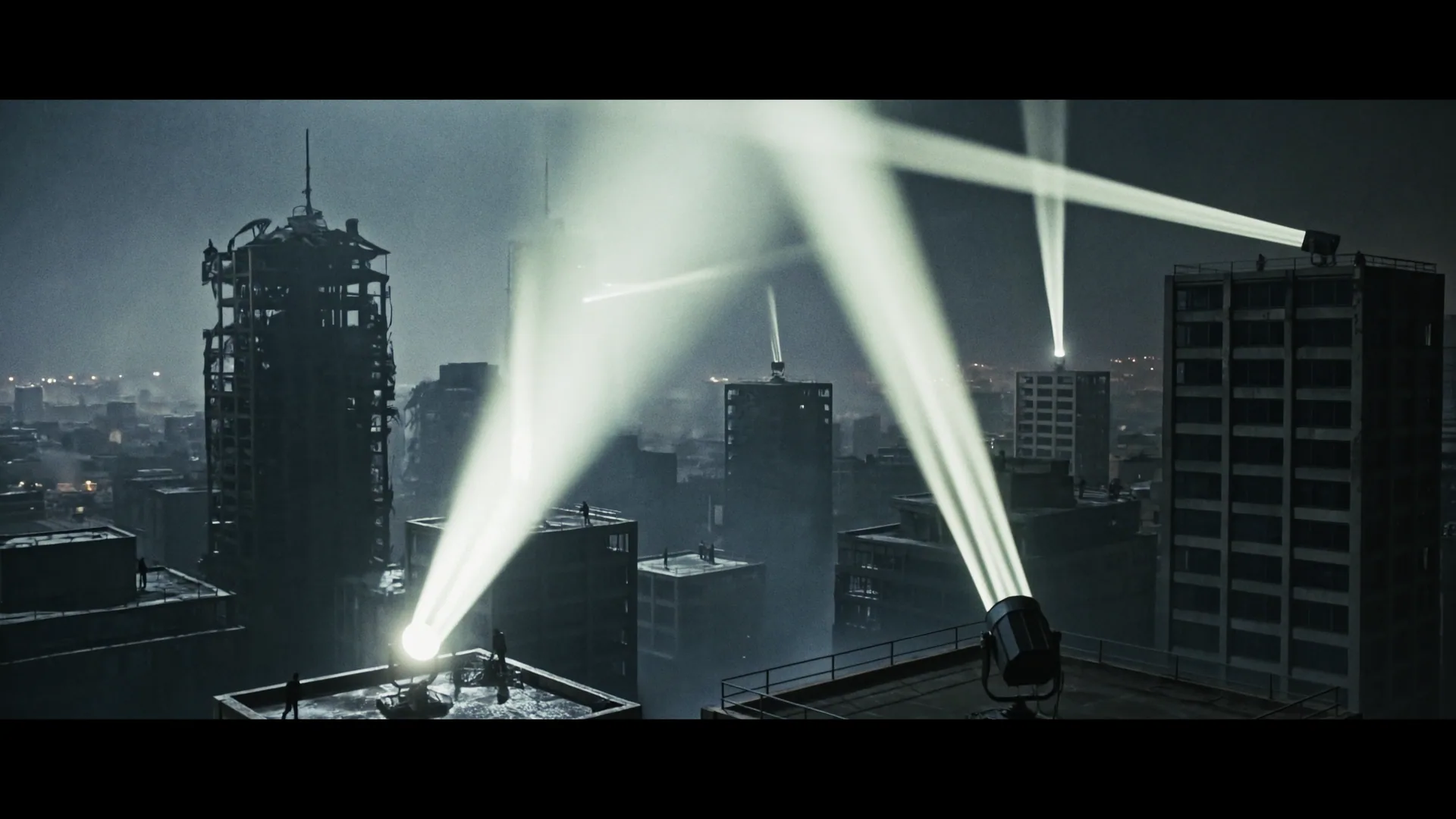
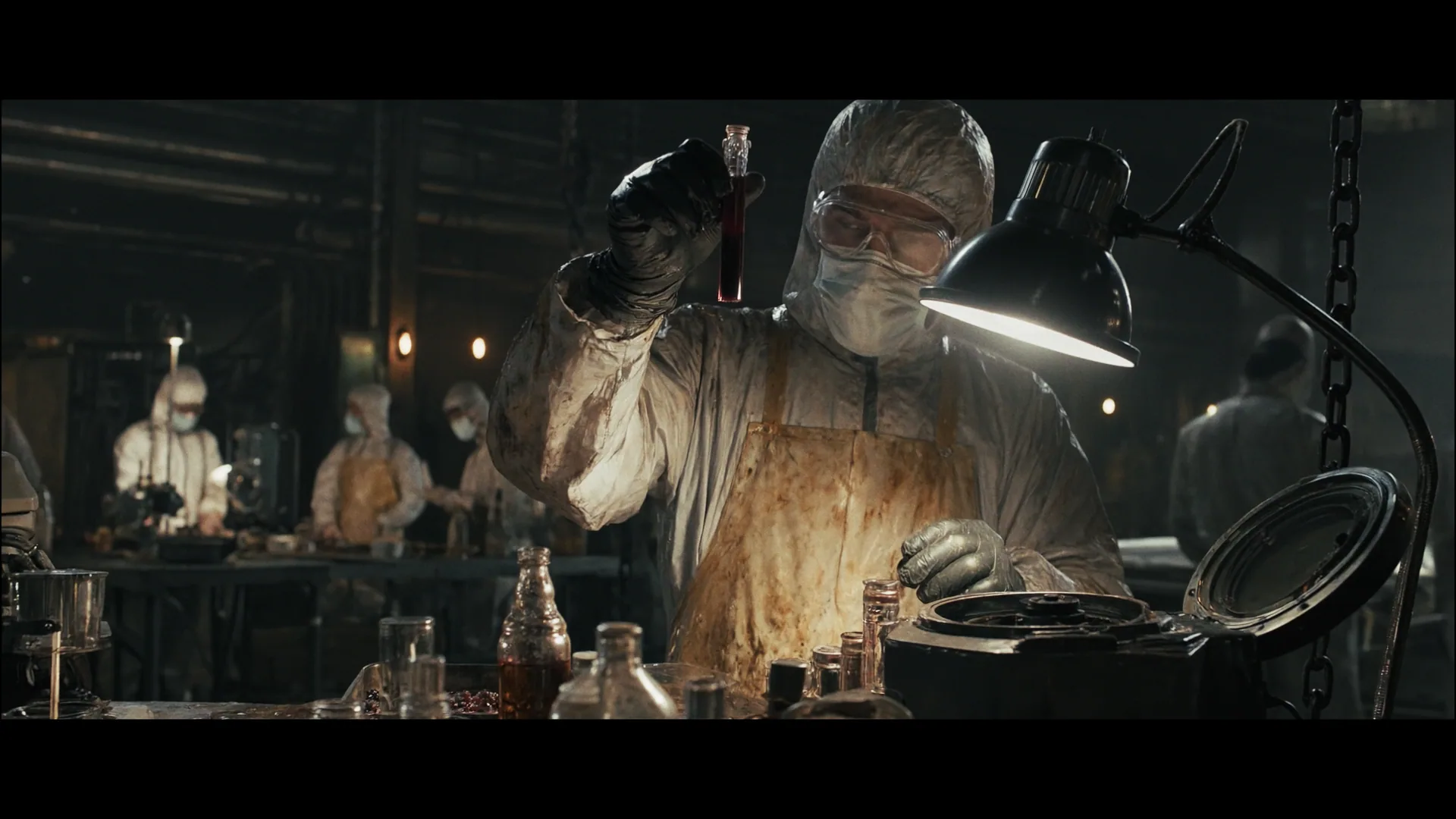
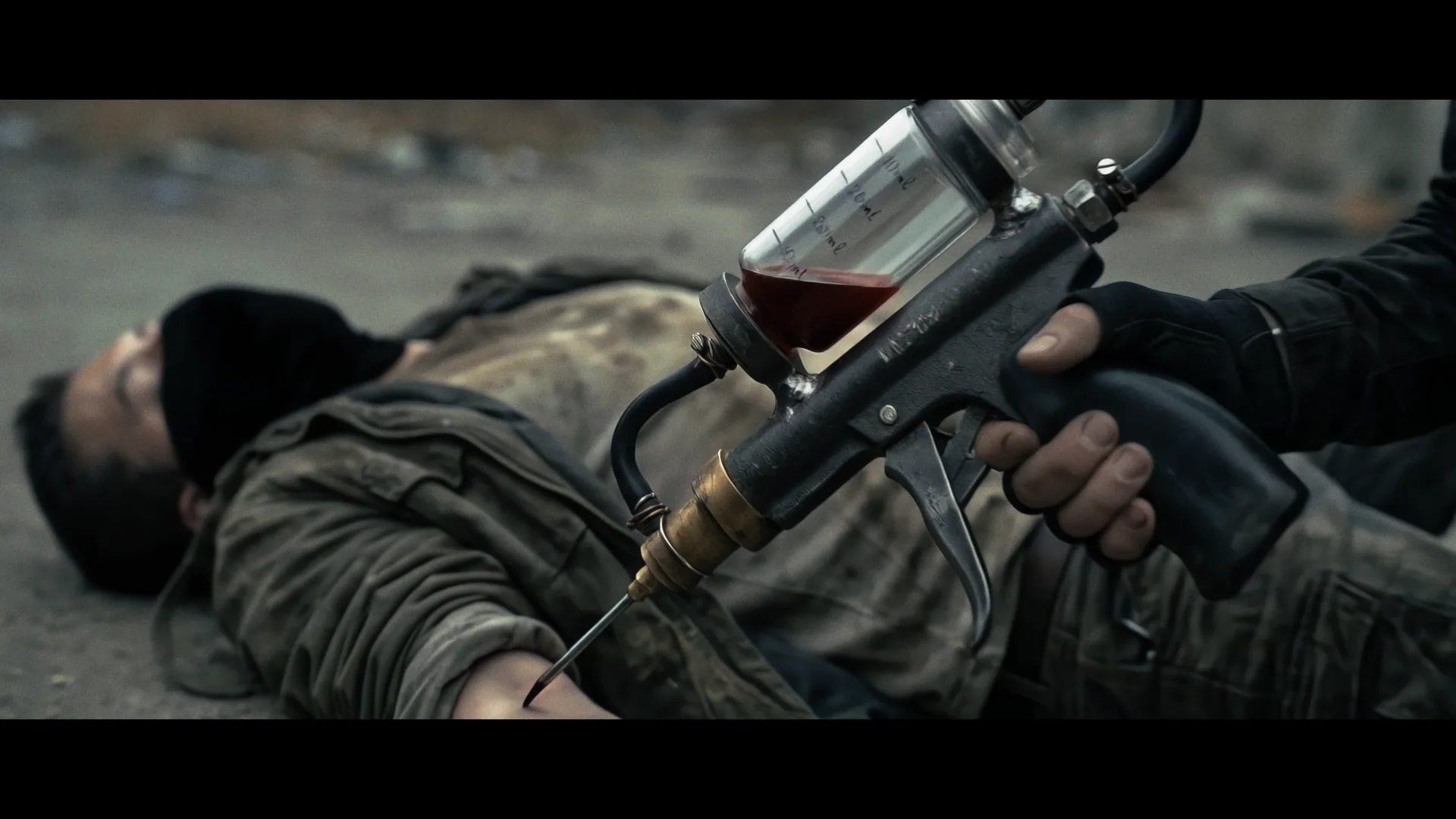
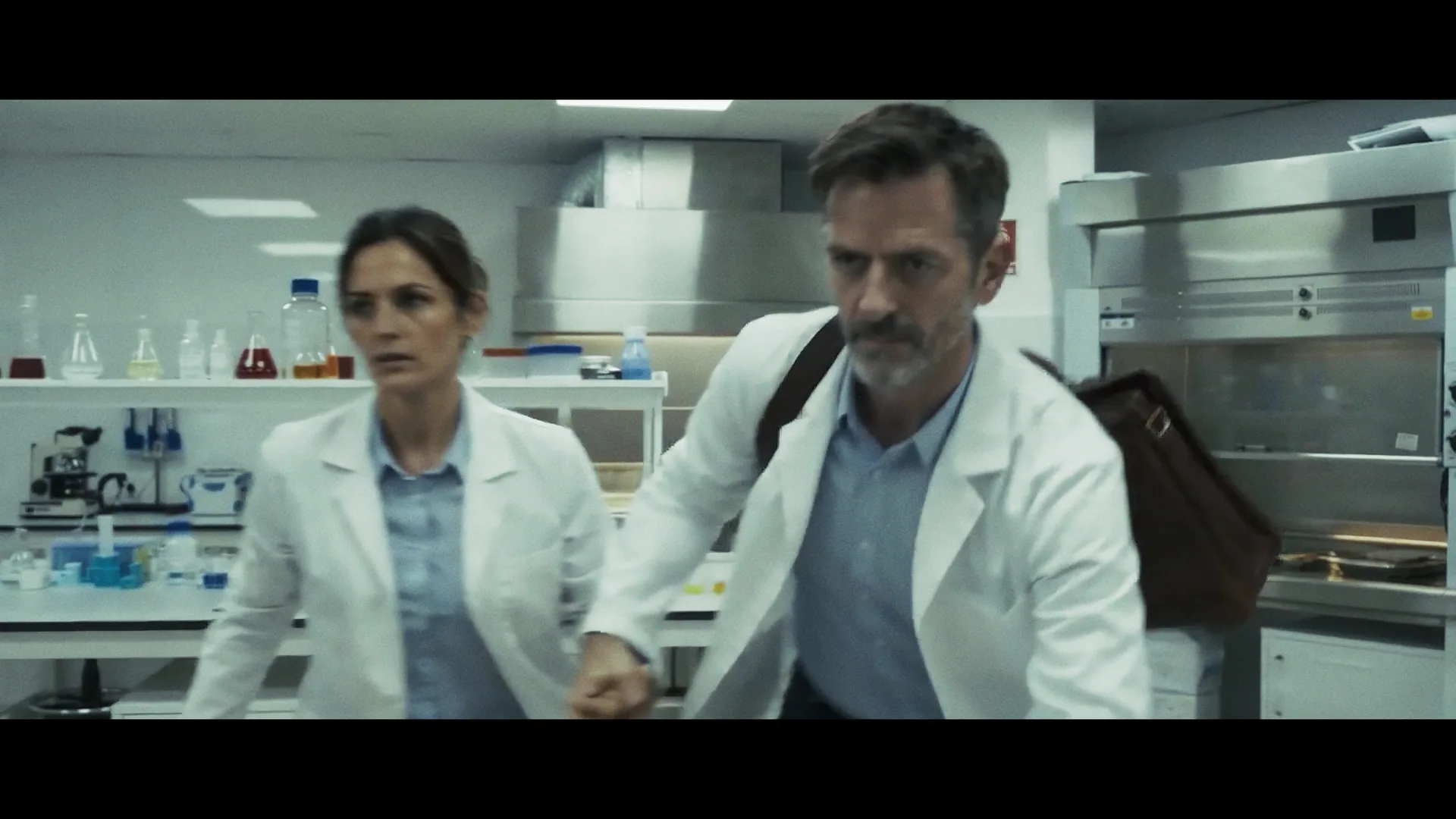
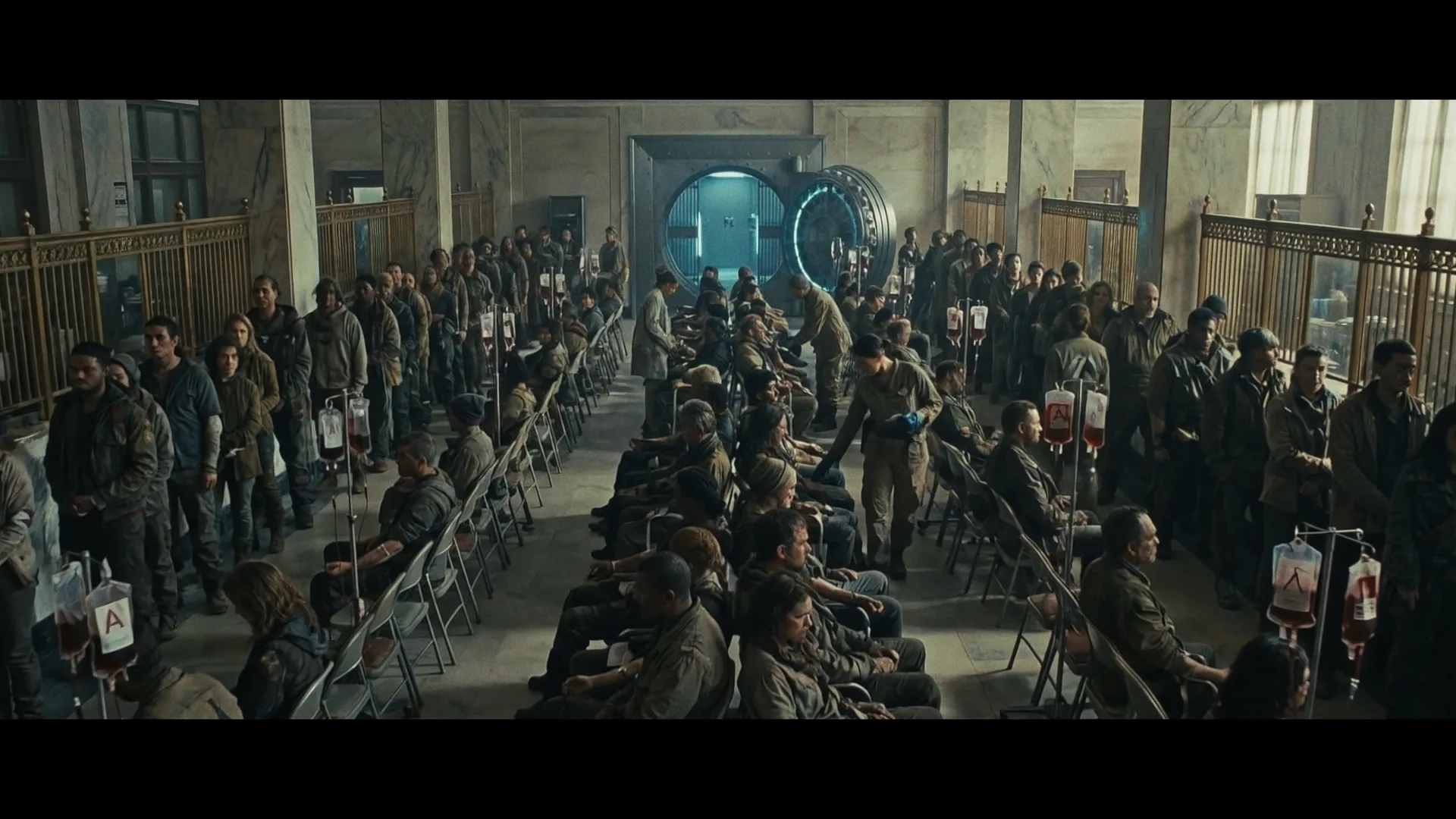
Live-Action Foundation
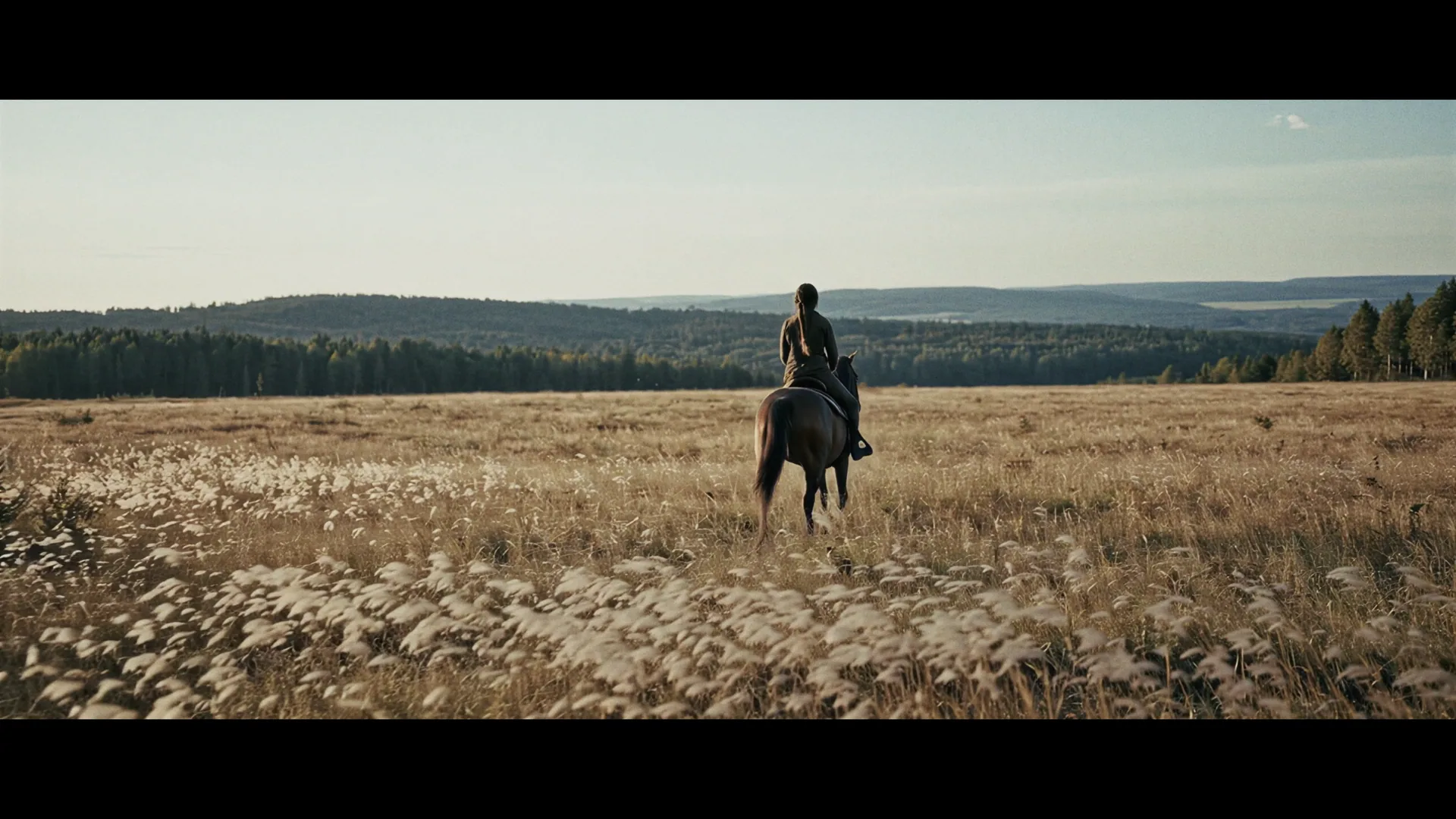
SUBDURA uses a hybrid production model that combines live-action performance, virtual staging, AI transformation, and editorial craft. For the campfire scene, we filmed real actors as the foundation, then transformed the clothing, environment, and cinematic world around them while preserving the human behavior in the original performance.
That contrast is central to the process. We can begin with practical footage, keep the emotional truth of the actors, and then transform the surface of the scene into a world that would otherwise require a much larger physical production.
Virtual Direction
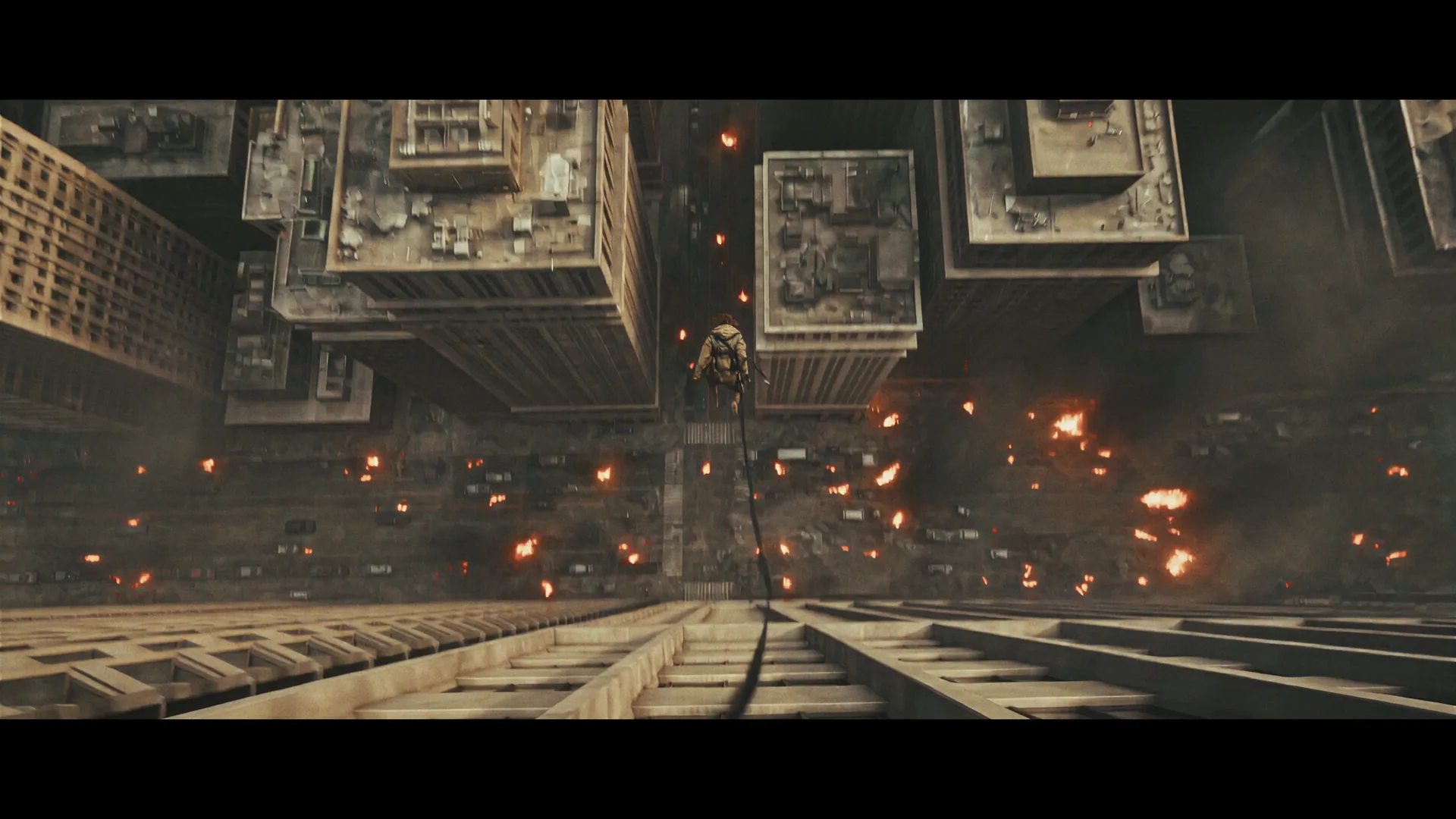
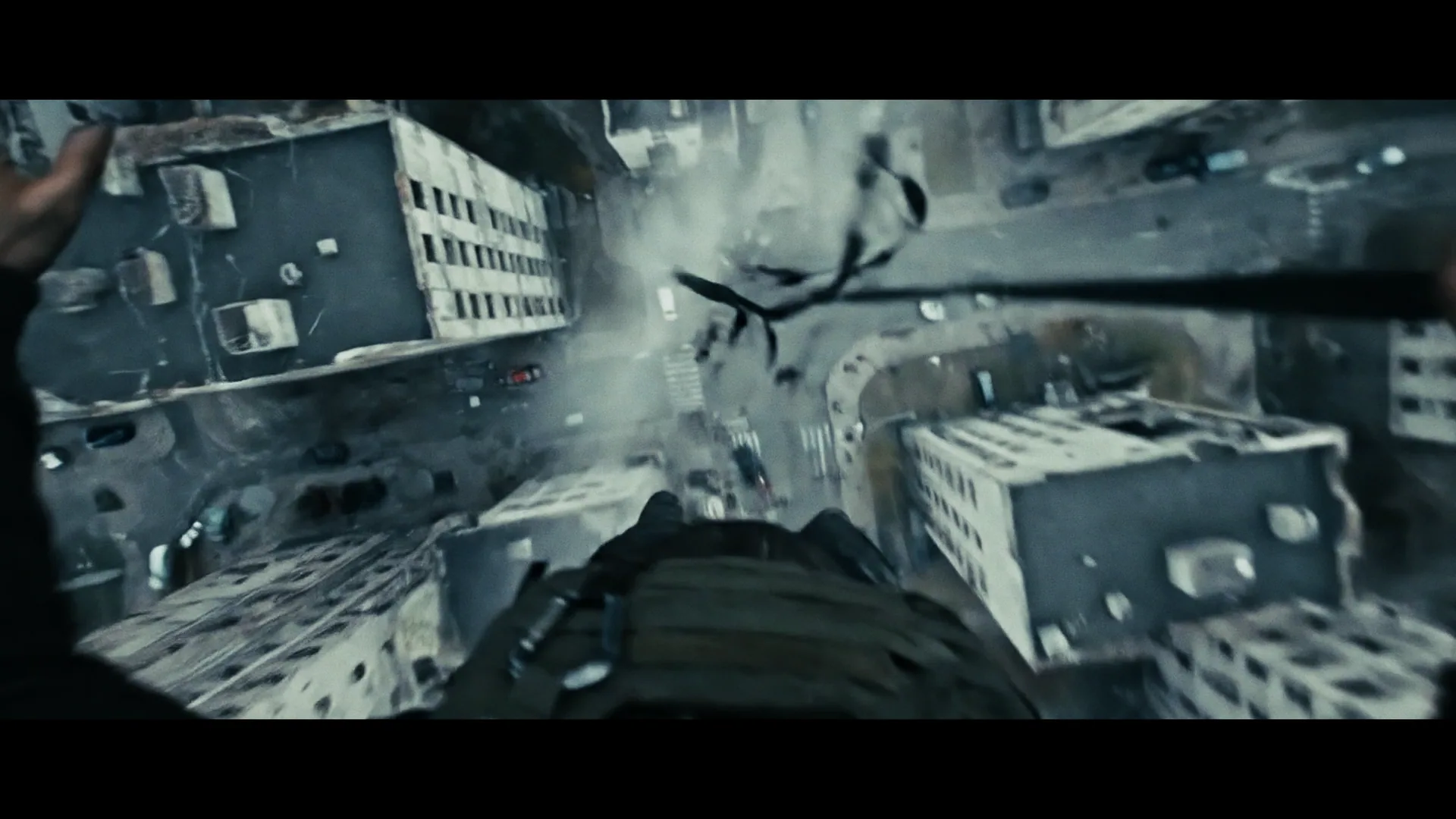
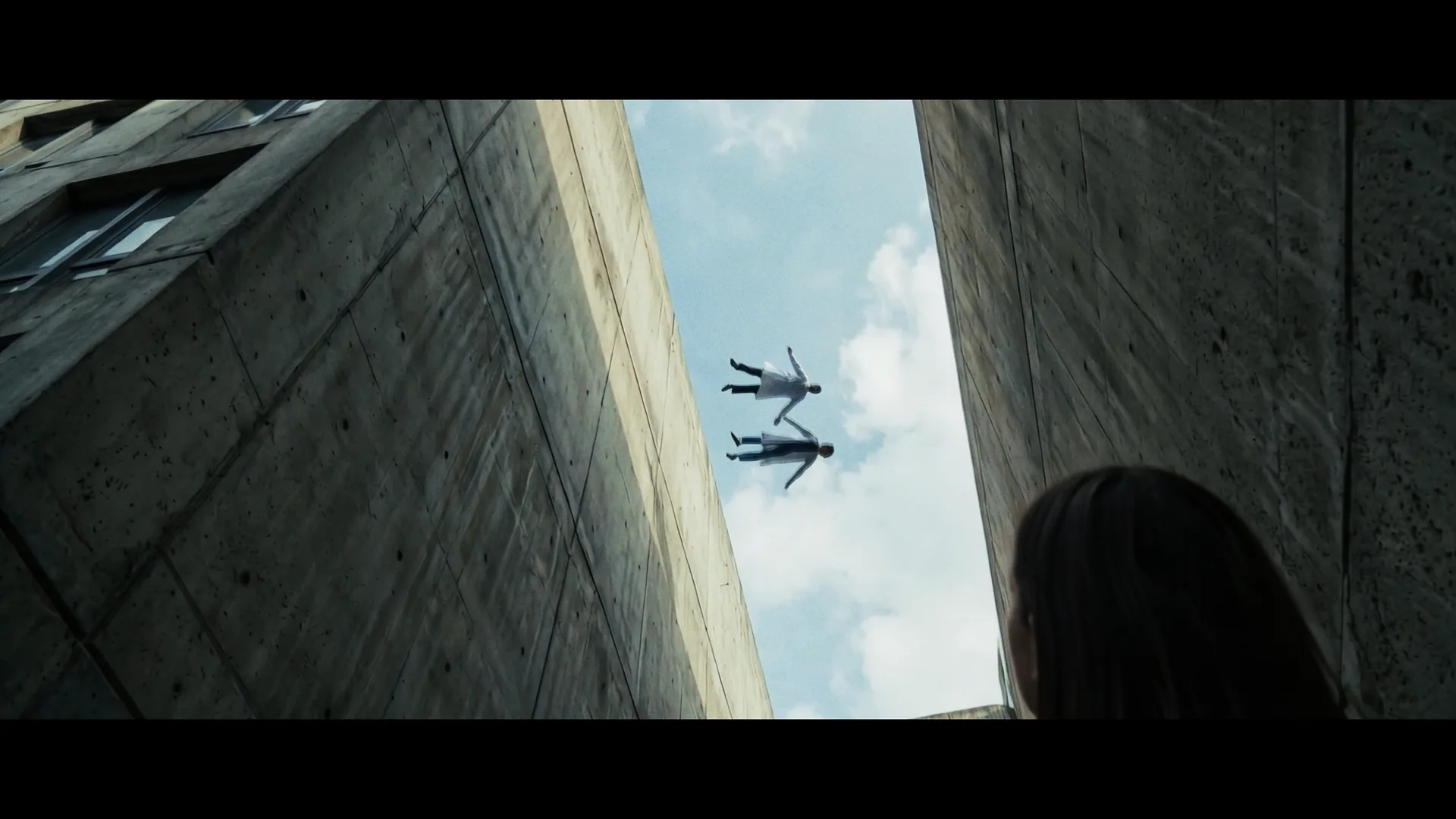
We also used Blender to stage and direct specific shots before they moved into the AI pipeline. The opening image of the parents falling from the building was built this way, giving us control over blocking, camera position, lensing, and framing.
That level of direction matters. AI can produce striking images, but it does not naturally give a director the same freedom to block a moment, compose a frame, and refine a specific camera idea. Blender gave us an authored structure that could then be pushed further through the hybrid process.
What It Proves
SUBDURA demonstrates hybrid production as a practical filmmaking method. Real actors can anchor a scene. Virtual staging can give directors specific control. AI can expand the world. Editorial craft can bring the human intention back to the center.
The result is not a shortcut around filmmaking. It is a different production pipeline for making films with specificity, control, and scale.